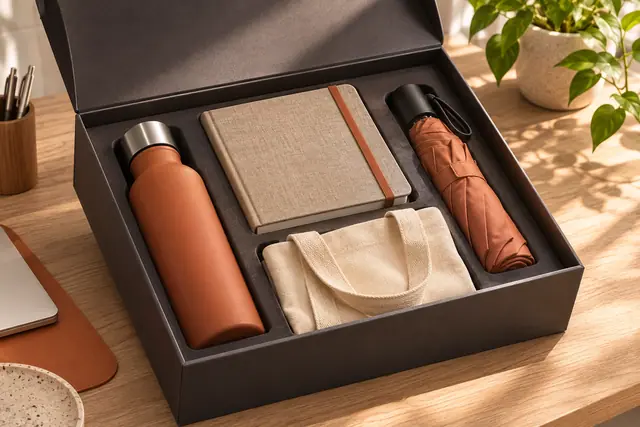
Building a Corporate Gift Set Program: Brief to Delivered Kits
A step-by-step guide to corporate gift kits: writing the brief, selecting items, choosing branding methods, designing inserts, approving samples and kitting.


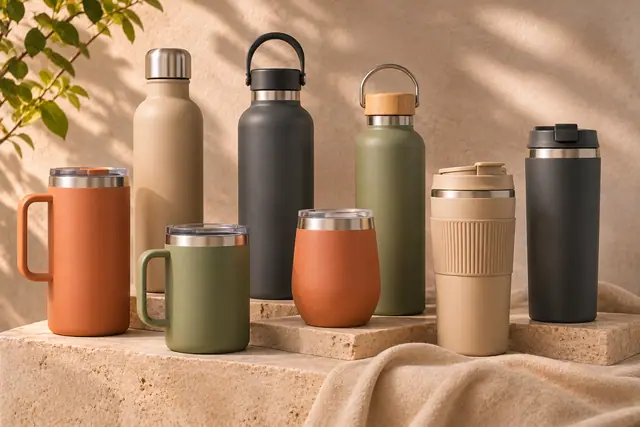
Buying Guides
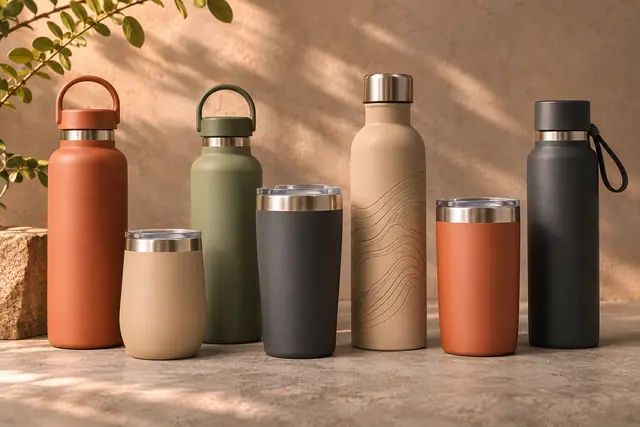
To source custom-logo stainless steel water bottles and tumblers, start by fixing four things in writing: the steel grade of the inner and outer walls, the insulation method, the logo technique and the lid design. Then approve a physical sample, confirm food-contact testing for your market and run a pre-shipment inspection that includes a heat-retention and leak test. Getting these points agreed before production prevents most of the problems buyers report with promotional drinkware.
Most quality drinkware uses 304 stainless steel, which is also called 18/8 because it contains roughly 18% chromium and 8% nickel. It resists rust well, is widely accepted for food contact and is the standard choice for both bottles and tumblers.
316 stainless steel adds molybdenum, which improves resistance to corrosion from salt and chlorides. It is sometimes marketed as "marine grade" and suits premium lines, products sold for acidic or salty drinks, or brands that want a clear upgrade story. It costs more, and in everyday use many customers will not notice a difference.
Watch for 201 stainless steel, a lower-cost grade with less nickel and weaker corrosion resistance. It is sometimes used for outer shells. Your purchase order should state the grade of the inner liner and the outer wall separately, and you can ask for a material certificate or a spot check with a handheld analyzer at inspection.
| Grade | Also known as | Corrosion resistance | Typical use |
|---|---|---|---|
| 304 | 18/8 | Good for everyday drinks | Standard bottles, tumblers, mugs |
| 316 | 18/10 or marine grade (in marketing) | Higher, especially against salt and chlorides | Premium lines, inner liners |
| 201 | Low-nickel stainless | Lower | Cost-driven outer shells; avoid for food contact |
A vacuum-insulated bottle has two steel walls with the air removed from the gap between them. Without air, heat cannot travel easily by conduction or convection, so hot drinks stay hot and cold drinks stay cold. Many factories also add a copper layer on the inner wall to reduce heat transfer by radiation.
The vacuum is sealed during manufacturing, often at a small point on the base. Ask how the bottle is sealed and what sealing material is used, and confirm that it does not contain lead, because buyers and regulators in several markets have paid close attention to this detail.
The practical test is simple: fill the bottle with boiling water, close the lid and touch the outer wall after a few minutes. If the outside becomes warm, the vacuum has failed. For a fuller check, measure the water temperature after six and twelve hours and compare it with the claim on your packaging. Run this test on samples and on a random selection of production units.
The decoration method affects cost, durability and how your artwork looks. Most custom drinkware combines a powder-coated or painted body with one of the methods below.
Powder coating gives a matte, textured, chip-resistant color finish. Laser engraving then burns through the coating to reveal bright steel underneath, creating a permanent single-color logo that cannot wear off. This is the most popular combination for corporate and retail bottles.
UV printing applies full-color ink that is cured instantly with ultraviolet light. It handles gradients and multi-color logos well and has low setup cost. It is durable for normal handwashing, but repeated dishwasher cycles can wear it, so test before you make dishwasher claims.
Sublimation transfers dye into a special polymer coating on the bottle, usually on white or light-colored blanks. It allows photographic, wrap-around designs and is popular for personalized products. It only works on sublimation-ready coatings.
Screen printing suits simple one- or two-color logos at volume. Pad printing is used for small logos on curved or uneven areas such as lids.
| Method | Best for | Colors | Durability |
|---|---|---|---|
| Laser engraving | Corporate logos, premium feel | Single tone (steel color) | Permanent |
| UV printing | Multi-color logos, small runs | Full color | Good; test for dishwasher use |
| Sublimation | Photo and wrap-around designs | Full color | Good on approved coatings |
| Screen printing | Simple logos at volume | One to a few spot colors | Good |
Lids are where most leaks and customer complaints come from, so treat the lid as a separate component with its own approval. Common options include:
Confirm lid plastics are suitable for food contact, and check silicone seals for odor.
Every material that touches the drink, including steel, plastic lid parts, silicone seals and straws, should be suitable for food contact in your market. In general terms, buyers selling into the United States often reference FDA food-contact requirements, while buyers in the European Union look at the EU framework for food-contact materials, and Germany-focused buyers frequently ask for LFGB testing. Some states and retailers have extra rules on specific substances.
Requirements change and differ by market and product type, so confirm the exact tests with your compliance advisor or a testing lab. Ask for test reports issued for the specific product and materials you are buying, and check the report date and the product description against your order.
Packaging protects the finish and shapes the first impression, so decide it at the same time as the bottle. For retail and e-commerce, a printed color box or a kraft box with a label is common, with each bottle wrapped in a poly bag or tissue to prevent scuffs on powder coat. For corporate and promotional orders, plain white boxes or bulk packing with dividers keep cost down. Agree on the following points before production:
A pre-shipment inspection for custom drinkware should cover more than appearance. A practical checklist:
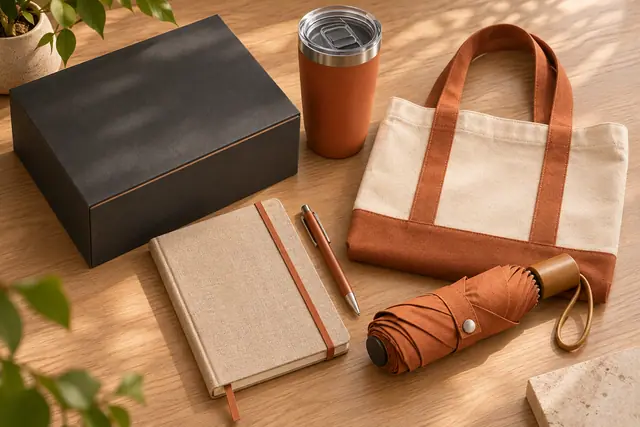
Home Gift Factory works with drinkware factories in Zhejiang and can coordinate logo proofs, pre-production samples and third-party or in-house inspection before goods leave the factory. Typical sample time on our listings is 7 to 15 days. Browse our drinkware range, see how bottles fit into branded kits in our corporate gift set guide, or contact us with your artwork and target quantity.
Both grades are widely used for food contact. 316 contains molybdenum, which improves resistance to corrosion from salt and chlorides, so it holds up better in harsh conditions. For water, coffee and most everyday drinks, 304 performs well. The bigger safety factors are verified food-contact testing and lead-free sealing, not grade alone.
A sample using an existing bottle with your logo added by laser or UV print is usually quick, often within one to two weeks. Custom colors, new lid designs or special packaging take longer because each element needs its own approval. Allow time for courier transit and for revisions after you review the first sample.
Many bodies can, but coatings, printed logos and lid seals may wear faster in a dishwasher, and heat can affect some vacuum seals over time. Only claim dishwasher-safe if the exact finish and decoration have been tested. Otherwise, recommend handwashing in your care instructions to protect both the product and your reviews.
Vector files such as AI, EPS or PDF with outlined fonts work best for laser engraving, screen printing and UV printing. Include Pantone references for spot colors and indicate logo size and position on each side. Sublimation and full-color designs need high-resolution images sized to the wrap area supplied in the factory template.
Keep reading
A step-by-step guide to corporate gift kits: writing the brief, selecting items, choosing branding methods, designing inserts, approving samples and kitting.

A plain-English guide to EXW, FOB, CIF and DDP: who pays for each cost, where risk transfers, and which term suits sample, LCL and full-container orders from China.
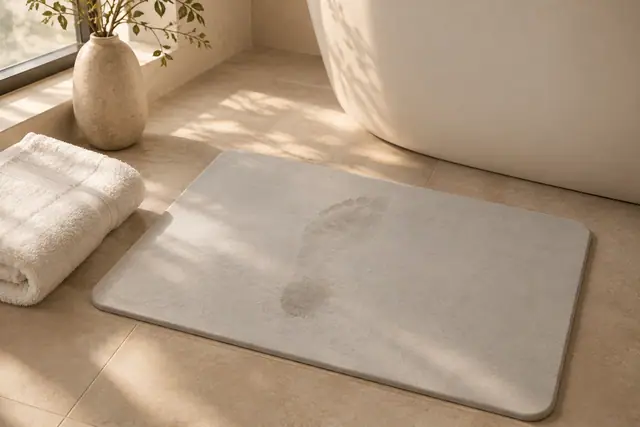
A buyer's checklist for diatomite bath mats covering absorption, density, asbestos testing, breakage-proof packaging, care guidance and how to cut returns.
Send an inquiry
Tell us what you need — products, quantities, branding and destination. A sourcing specialist replies with pricing, MOQs and lead times.