
Incoterms 2020 Explained for First-Time Home Goods Importers
A plain-English guide to EXW, FOB, CIF and DDP: who pays for each cost, where risk transfers, and which term suits sample, LCL and full-container orders from China.





Sourcing Strategy
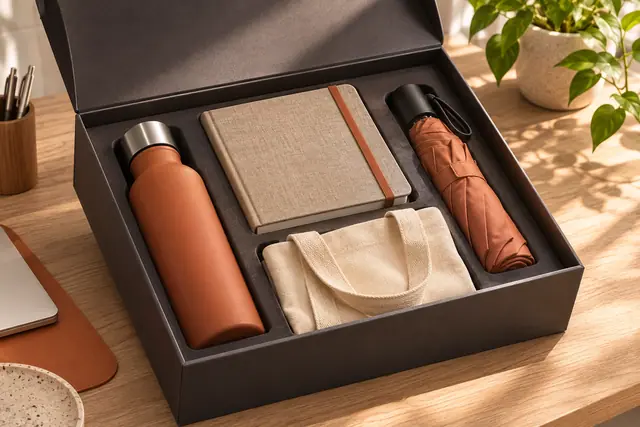
A corporate gift set program moves through six stages: a written brief, item selection, branding decisions, packaging and insert design, sample approval, and production with kitting and delivery. Most programs need several weeks from brief to finished kits, and longer for custom packaging or large quantities. The key to delivering on time is to lock the brief early and approve one fully assembled sample kit before mass production.
A good brief lets suppliers quote accurately and propose suitable items the first time. Include:
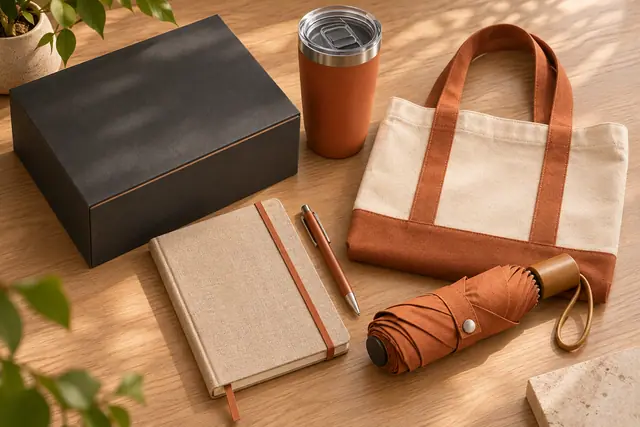
Strong gift sets have a clear theme and three to five useful items that fit together physically and visually. Recipients keep and use items that are practical and well made, which keeps your brand in view longer.
| Theme | Typical items | Good for |
|---|---|---|
| Work and travel | Insulated bottle, notebook, pen, tote or cosmetic bag | Onboarding, conference attendees |
| Coffee and desk | Vacuum tumbler, ceramic mug, coaster, compact umbrella | Client thank-you gifts |
| Home and wellness | Candle jar, small vase, diatomite coaster or mat, cosmetic bag | Holiday and year-end gifts |
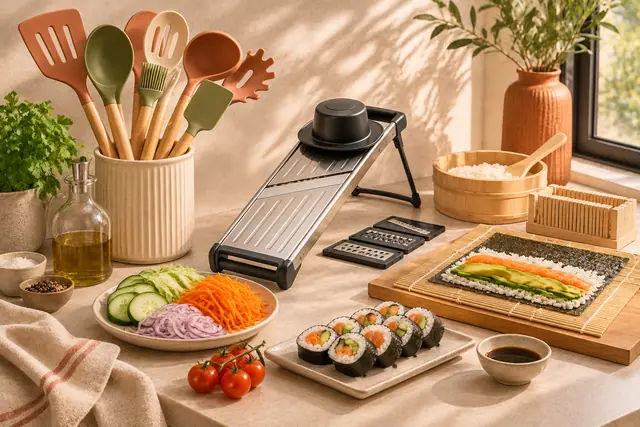
| Kitchen and hosting | Kitchen utensil set, tumbler, apron | Real estate, food and hospitality brands |
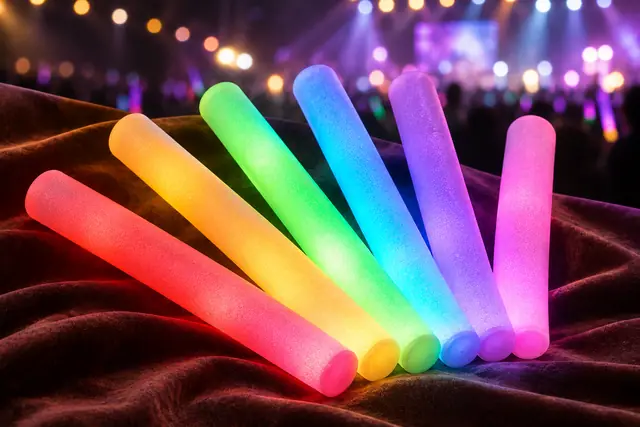
| Event and celebration | LED foam sticks, branded bottles, tote bags | Company parties, product launches |
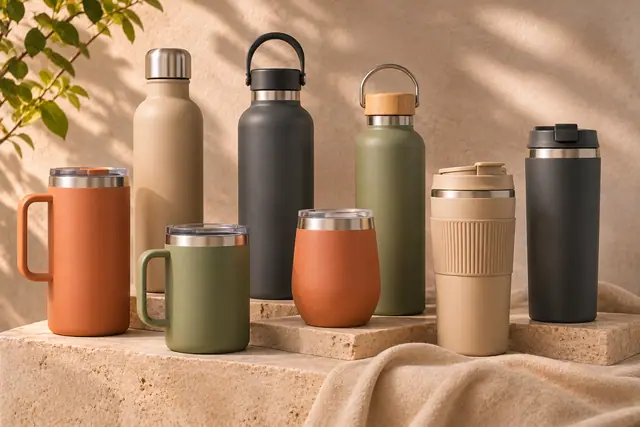
Drinkware is a common anchor item in gift sets. Our guide to custom-logo stainless steel bottles covers materials, logo methods and quality checks in more detail.
Using the right decoration method for each material keeps the kit looking consistent and helps logos last.
| Material or item | Recommended methods | Notes |
|---|---|---|
| Stainless steel drinkware | Laser engraving, UV print | Laser is permanent; UV allows full color |
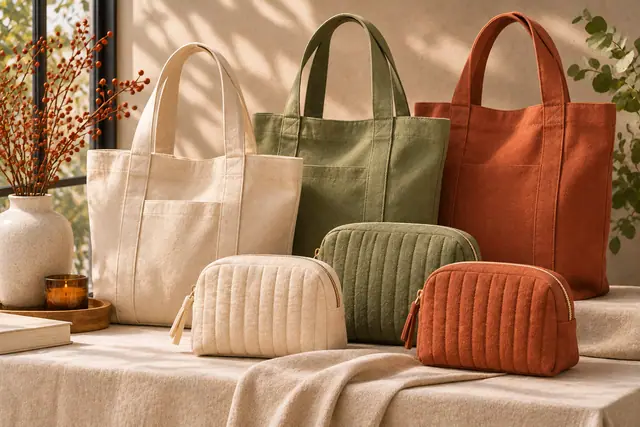
| Cotton or canvas totes | Screen print, embroidery, heat transfer | Embroidery feels premium but costs more |
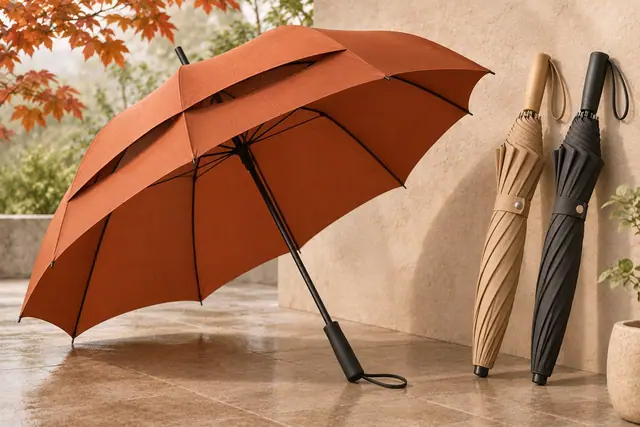
| Polyester umbrellas | Screen print, heat transfer | Check logo placement across panels |
| PU leather notebooks and bags | Debossing, foil stamping | Subtle, upscale look |
| Ceramic and glass | Decal, screen print, etching | Ask about dishwasher durability |
| Wood and bamboo | Laser engraving | Natural color variation is normal |
Ask for a digital proof showing logo size and position on every item, then confirm color matching against physical samples, because the same Pantone can look different on steel, fabric and paper.
Packaging turns a group of products into a gift. Common choices include rigid two-piece boxes, magnetic-closure boxes, printed mailer boxes and kraft boxes with sleeves. Inside, inserts hold items in place and create the unboxing experience.
Packaging often has the longest lead time in the program because the dieline, printing and insert all depend on final item choices. Start packaging design as soon as items are confirmed.
Timing varies with quantity and customization, but a typical sequence looks like this:
Year-end gifting creates the most pressure. If kits are needed in December, start in late summer and use our seasonal sourcing calendar to check shipping deadlines.
Approving individual items is not enough. Request one fully assembled sample kit with branded items, final packaging, inserts and printed cards. Check it for:
Keep the approved kit as the golden sample for inspection.
A gift set often combines products from different factories: drinkware from one, bags from another and boxes from a printer. Each supplier may finish on a different date, and a delay or defect in one item holds up every kit. To keep control:
Keep one person responsible for tracking all suppliers on a single schedule, so problems surface while there is still time to fix them.
Kitting means assembling items into gift boxes. It can be done at origin before shipping or at a destination fulfillment center. Kitting at origin usually reduces handling and lets the inspector check finished kits before shipment. Destination kitting suits programs that need personalized notes, last-minute changes or individual delivery to many addresses.
Home Gift Factory sources gift items from multiple factories, consolidates them at one location for kitting and arranges inspection of finished kits before shipping. Explore our corporate gift sets, tote and cosmetic bags and past projects, or share your brief to start planning.
Minimums depend on the items and packaging. Catalog products with a printed logo often have modest minimums, while custom-made items and printed rigid boxes usually require higher quantities. Ask whether different items in the kit have different minimums, because the highest one often sets the practical quantity for the whole program.
Yes, through methods such as individually laser-engraved names on drinkware, printed name cards or personalized sleeves. Personalization adds time for data handling, production and checking, and it increases the risk of errors. Supply a clean spreadsheet early and agree a checking process before production begins.
Focus on durable, useful items people keep, such as quality bottles, bags and umbrellas, rather than disposable novelties. Choose recyclable or pulp-based inserts, reduce plastic wrapping and size the box to the contents. Ask suppliers which materials they can document, and avoid environmental claims you cannot support.
Items like LED foam sticks or smart bottles can work well, but batteries add shipping restrictions, labeling and testing needs, especially for air freight. Confirm battery type and the documents your forwarder requires before finalizing the kit. If timing is tight, a battery-free alternative may be the safer choice.
Keep reading
A plain-English guide to EXW, FOB, CIF and DDP: who pays for each cost, where risk transfers, and which term suits sample, LCL and full-container orders from China.
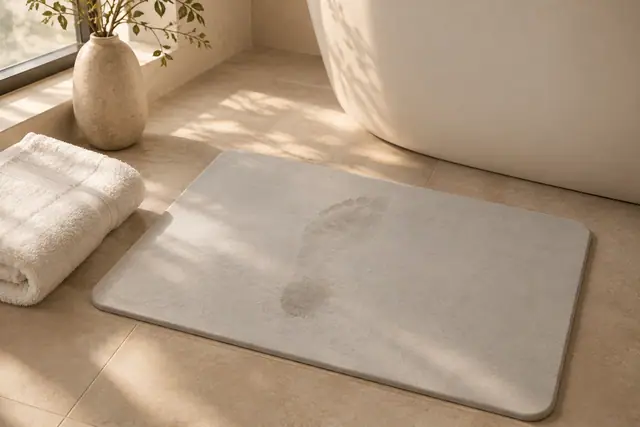
A buyer's checklist for diatomite bath mats covering absorption, density, asbestos testing, breakage-proof packaging, care guidance and how to cut returns.
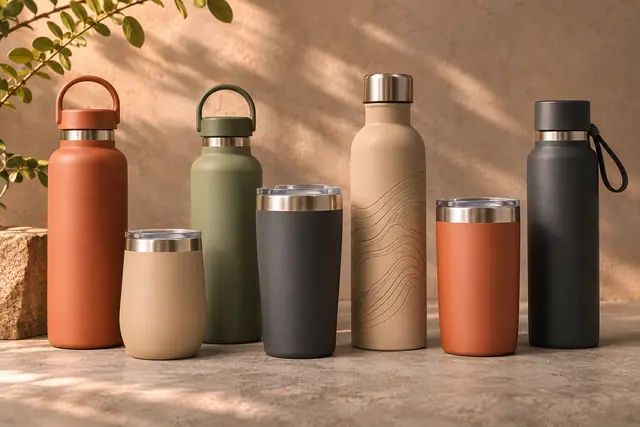
A practical guide to steel grades, vacuum insulation, powder coat, laser, UV and sublimation branding, lid choices, food-contact compliance and quality checks.
Send an inquiry
Tell us what you need — products, quantities, branding and destination. A sourcing specialist replies with pricing, MOQs and lead times.