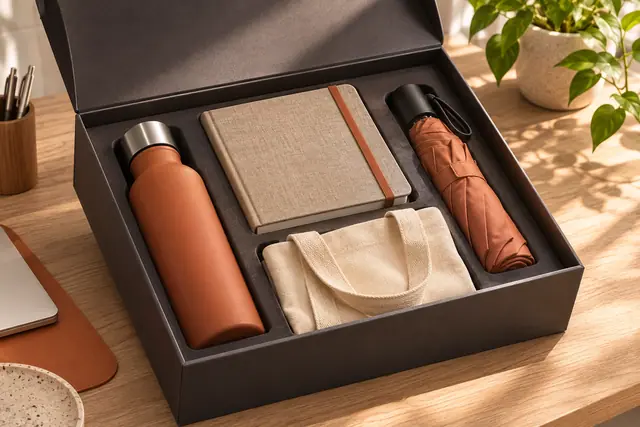
Building a Corporate Gift Set Program: Brief to Delivered Kits
A step-by-step guide to corporate gift kits: writing the brief, selecting items, choosing branding methods, designing inserts, approving samples and kitting.










Buying Guides
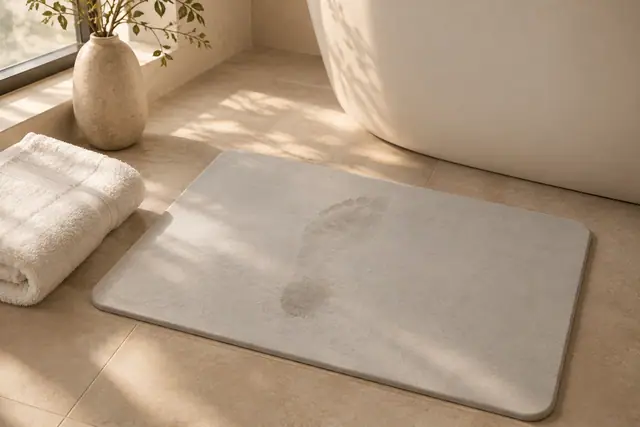
Before ordering diatomite bath mats, buyers should check five things: independent asbestos-free test results, water absorption and drying speed, density and thickness, breakage-resistant packaging and clear care instructions. Asbestos testing comes first, because contaminated raw materials have led to recalls of diatomite products in some markets. The other checks decide whether the mat performs well and survives shipping without generating returns.
A diatomite bath mat is a rigid board made mainly from diatomaceous earth, a porous mineral formed from the fossilized remains of microscopic algae called diatoms. The fine pores pull water away from wet feet and let it evaporate quickly, so the surface feels dry within a short time. To form a strong board, manufacturers mix diatomite with binders and reinforcing materials, then press, cure and finish the mat. The recipe and process vary between factories, which is why quality differs so much across the market.
Diatomite mats are popular with home decor retailers and e-commerce brands because they look clean and modern, can be printed or shaped, and offer an easy-to-explain benefit. They also come with specific risks that buyers need to manage.
Some natural minerals used in or alongside diatomite production can contain asbestos if raw materials are not controlled. Asbestos fibers can be released when a board is cut, broken or sanded, and sanding is a normal part of caring for these mats. Products found to contain asbestos have been recalled in some markets, and certain countries apply strict import controls with very low or zero tolerance.
Requirements and accepted test methods differ between countries, so confirm them with your compliance advisor or testing lab before you approve a supplier. Repeat testing when the factory changes raw material sources or recipe, and consider periodic testing on repeat orders.
Absorption is the main selling point, so verify it yourself. A simple comparison test on samples from different suppliers:
Repeat the same test during pre-shipment inspection on a random selection of production units. Coatings, printed designs and heavy surface sealing can reduce absorption, so test the printed version you will sell, not a plain sample.
Density, thickness and binder content affect absorption, weight and strength at the same time. A very light board may absorb quickly but snap easily, while a dense board may be strong but slower to dry. Record the agreed values in your specification:
| Specification | Why it matters | How to check |
|---|---|---|
| Thickness | Affects strength, weight and feel underfoot | Measure with calipers at several points |
| Weight per mat | Indicates density and consistency between batches | Weigh a sample of mats against the golden sample |
| Flatness | Warped boards rock and crack in use | Lay on a flat surface and check gaps |
| Edges and corners | Weak edges chip in transit and in use | Visual check and light pressure test |
| Anti-slip backing | Reduces sliding on tiled floors | Check adhesion and coverage |
Weight is a useful quick proxy. If production mats are much lighter or heavier than the approved sample, ask the factory to explain before shipping.
Diatomite boards are rigid and can crack if dropped or bent, so packaging is a major factor in damage claims, especially for parcel delivery. Good practice includes:
Dry storage also matters. Mats absorb moisture from the air, so keep them sealed and dry in the factory, in transit and in your warehouse.
Many complaints about diatomite mats come from misunderstanding how to care for them. Include a printed insert, and copy the same points to your product listing:
Retailers and marketplaces often ask for more documentation on mineral-based products than on ordinary textiles. Prepare a simple file for each item before the first shipment:
Keep photos of the approved golden sample and the inspection results with the file. If a customer, retailer or authority asks about a batch, you can respond quickly with evidence rather than requesting documents from the factory after the fact.
The main return reasons for diatomite mats are breakage in transit, slower absorption than expected, stains or discoloration, and doubts about material safety. You can reduce each of them:
Home Gift Factory can arrange comparison samples from several diatomite factories, coordinate third-party lab testing that you specify and check packaging during pre-shipment inspection. See our home decor range, which also includes door mats and other bathroom textiles, and our sourcing calendar for planning lead times. For shipping terms on heavy, fragile goods, read our Incoterms 2020 guide, or contact us to discuss testing requirements.
Mats made from properly controlled raw materials and verified as asbestos-free by an independent lab are widely sold for home use. The safety concern is contamination, not diatomite itself. Buyers should insist on product-specific test reports, repeat testing when recipes or sources change, and follow the testing rules that apply in their own market.
Yes. Factories commonly print patterns, colors or logos on the surface, and some offer custom shapes. Printing can reduce absorption if the ink seals the pores, so test the finished printed mat rather than a plain one. Approve a printed sample and check color consistency across batches during inspection.
Over time, soap residue, body oils and dirt clog the surface pores. Light sanding with fine sandpaper usually opens them again. Leaving the mat damp in a poorly ventilated room also slows drying. Explaining this in your care instructions turns a likely complaint into a simple maintenance step for the customer.
No. Soft or flexible mats are usually fabric or rubber mats with a diatomite-containing layer, while hard mats are rigid boards. Soft mats are easier to ship and less prone to breakage, but absorption and drying behave differently. Compare both types with the same water test and confirm material composition with the supplier.
Keep reading
A step-by-step guide to corporate gift kits: writing the brief, selecting items, choosing branding methods, designing inserts, approving samples and kitting.

A plain-English guide to EXW, FOB, CIF and DDP: who pays for each cost, where risk transfers, and which term suits sample, LCL and full-container orders from China.

A practical guide to steel grades, vacuum insulation, powder coat, laser, UV and sublimation branding, lid choices, food-contact compliance and quality checks.
Send an inquiry
Tell us what you need — products, quantities, branding and destination. A sourcing specialist replies with pricing, MOQs and lead times.